Planetary Gear Motor vs the Alternatives: How to Choose
-
 2026.09.21
-
Uncategorized


Once you've settled on a geared DC motor, the next question is which gearbox architecture to run it through. Planetary, spur, worm, and direct-drive designs each trade off torque density, backlash, noise, and cost differently — and picking wrong means redesigning the drivetrain later. This comparison is organized as a decision framework by torque, shaft orientation, backlash, and duty cycle; for a side-by-side of the three gearbox types in compact designs, see planetary vs spur vs worm gearboxes for compact designs.
What Is a DC Motor with a Planetary Gearbox?
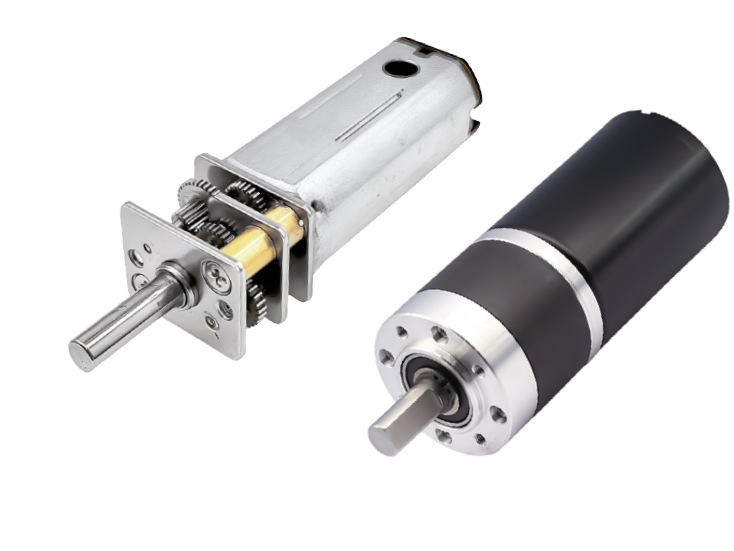
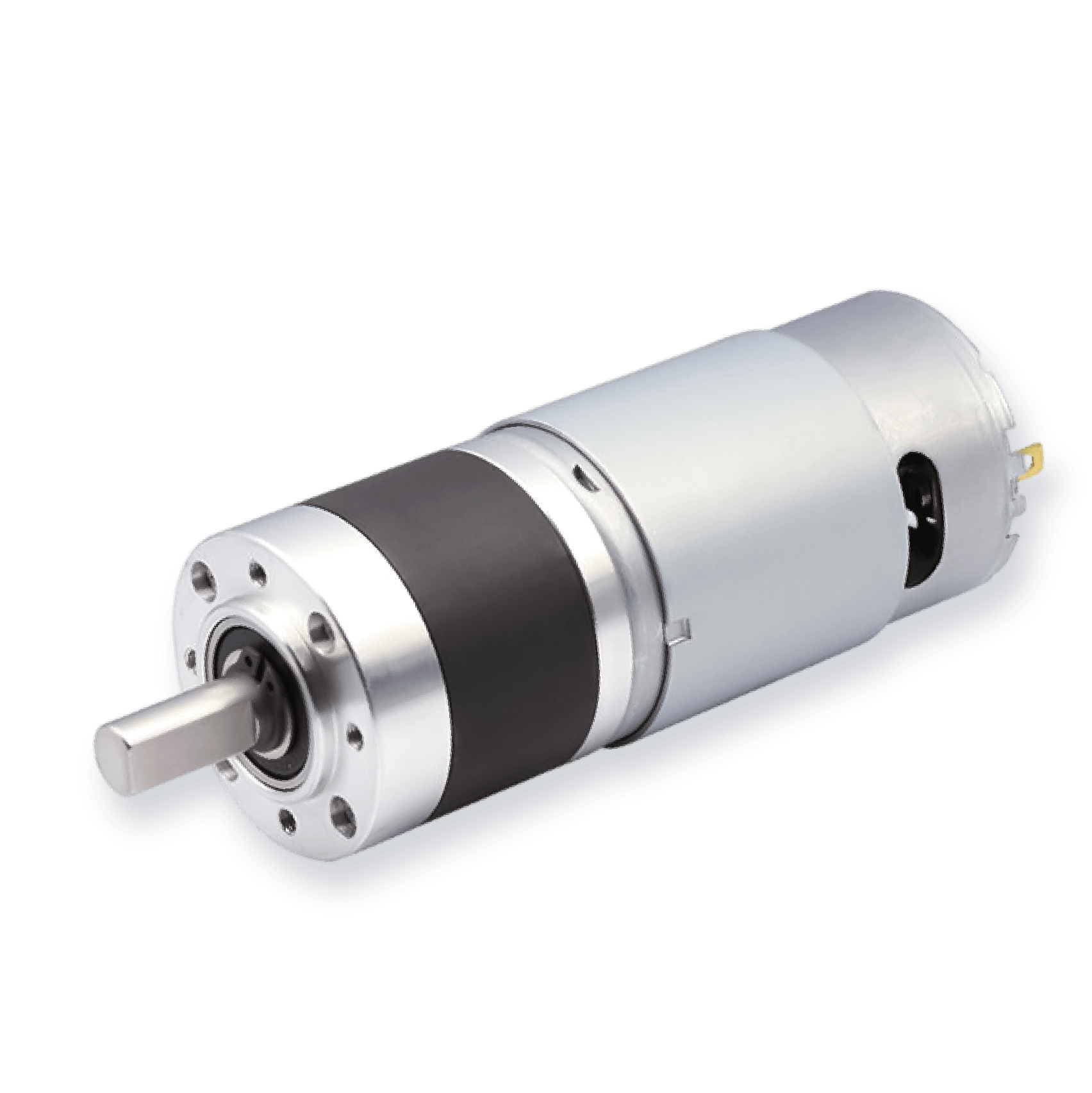
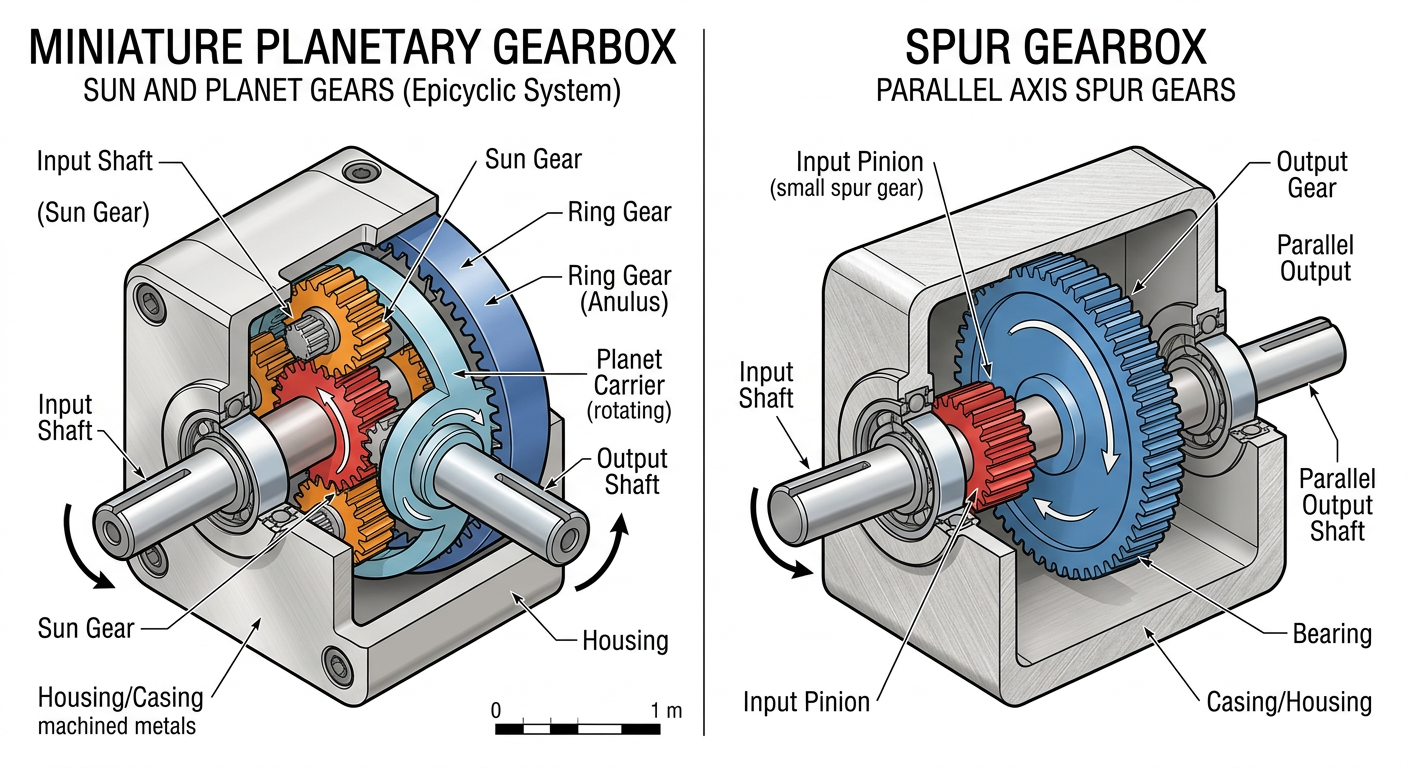
A DC motor with a planetary gearbox pairs a brushed, brushless, or coreless motor with a gear system where several small "planet" gears rotate around a central "sun" gear, all held inside a fixed outer "ring" gear. Because the load is shared across multiple planet gears meshing simultaneously, rather than one tooth pair carrying the full torque, the assembly delivers more torque per unit of volume than a comparable single-mesh gearbox. SLW manufactures this architecture across its custom planetary gear motors line in brushed, brushless, and coreless variants, with encoder integration available where positioning feedback matters.
Planetary Gear Motor vs. the Alternatives at a Glance
| Attribute | Planetary | Spur | Worm | Direct-Drive / Hub |
|---|---|---|---|---|
| Torque density | High — load shared across 3–4 planet gears | Moderate — single mesh point per stage | Moderate-high per stage, drops as ratio climbs | Lower — no reduction stage |
| Efficiency per stage | ~95–97% | ~96–98% | ~40–90%, falls as lead angle decreases | Motor efficiency only, no gear loss |
| Typical ratio per stage | 3:1 to 10:1 | 3:1 to 10:1 | Up to 100:1 in one stage | N/A (1:1, direct coupling) |
| Backlash | As low as 3–10 arcmin with precision machining | Standard, accumulates per stage, often 20+ arcmin | Low initially, increases with wear | None from gearing |
| Noise | Quieter above ~2,000 rpm — multiple mesh points spread the frequency | Louder above ~2,000 rpm — single mesh tone | Generally quiet, sliding-contact engagement | Depends on motor winding, no gear noise |
| Footprint | Compact, coaxial input/output shaft | Longer, offset parallel shafts | Compact but right-angle output | Compact, integrated into the wheel/hub |
| Relative cost | Higher — tighter tolerances, more parts | Lower — simpler construction | Moderate | Lower part count, larger motor needed |
| Self-locking | No, unless paired with a brake | No | Yes, below ~50% mesh efficiency | No |
When Planetary Gear Motors Win
- High torque in a tight, coaxial envelope. At torque loads above roughly 1 N·m in housings under 30mm diameter, stacking planetary stages keeps the reduction inline without adding width — unlike spur's offset-shaft footprint.
- Load shared across multiple planet gears. For continuous-duty cycles running 8+ hours per day, distributing torque across 3–4 planet gears reduces tooth wear per cycle compared to a single-mesh spur stage carrying the same load.
- Low-backlash positioning. With precision machining, a planetary stage can hold backlash to roughly 3–10 arcminutes, which matters once positioning tolerance falls below about 0.1 degrees — common in encoder-fed robotics joints.
- Compact high-torque, low-speed output. SLW's 22mm coreless motor with planetary gearbox reduces output to 9 rpm within a 22mm diameter envelope — the kind of low-speed, high-torque profile needed for compact medical dosing pumps and gripper joints where a spur stage of the same size couldn't sustain the load.
The sun-planet-ring assembly's staging and tooth geometry are detailed in how planetary gearing works.
When Spur Gear Motors Are the Better Choice
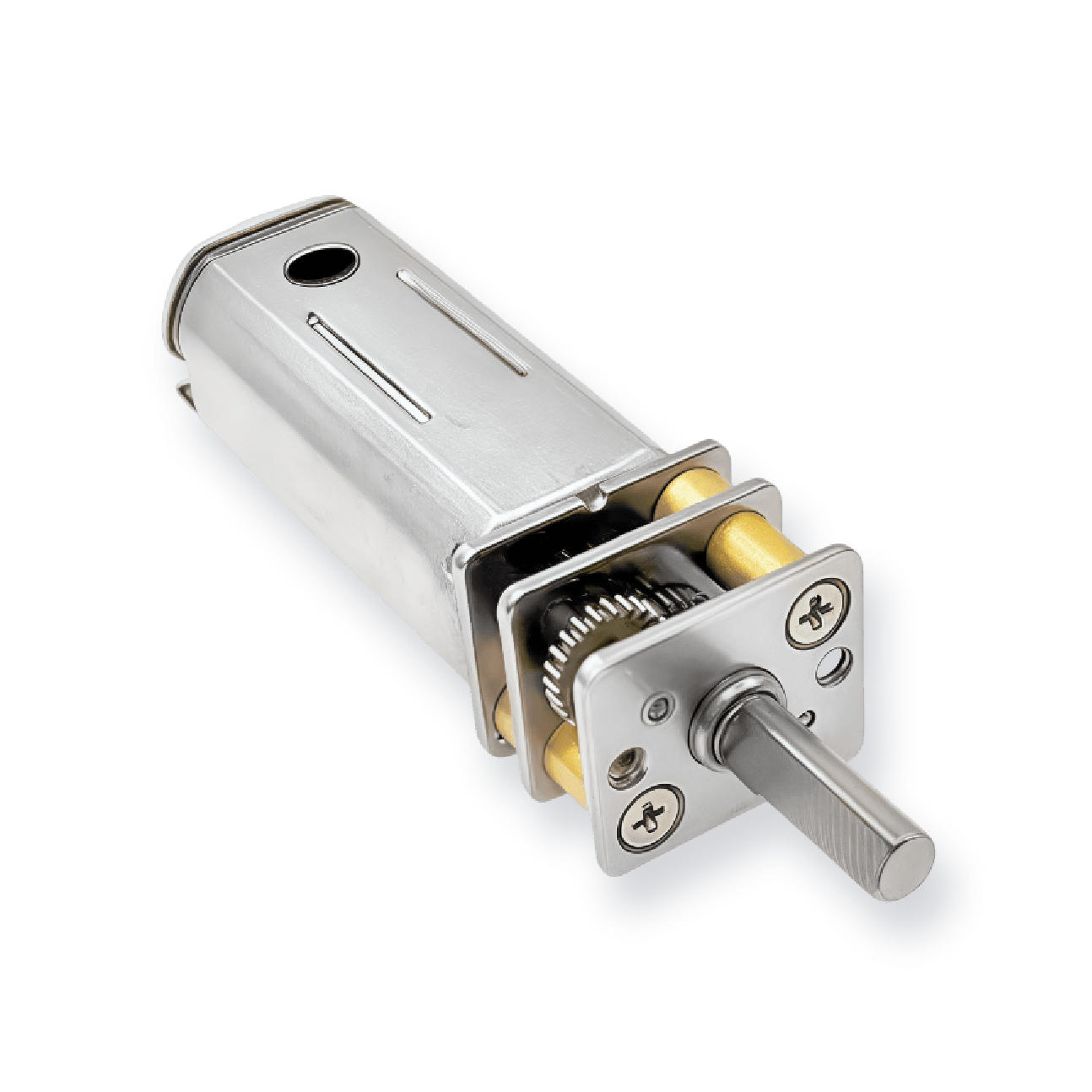
Spur gearboxes use straight-cut gears on parallel, offset shafts — a single-mesh-point design that's cheaper to machine and easier to inspect or replace in the field. For torque loads under roughly 0.5 N·m and duty cycles below 4 hours per day, spur stages run at a similar 96–98% per-stage efficiency to planetary while costing less to build, since the single tooth-pair contact wears acceptably slowly at that load. Push torque or duty cycle higher and that single contact point becomes the wear bottleneck. Spur gear motors cover this lower-torque, cost-sensitive segment across SLW's catalog.
When Worm Gear Motors Are the Better Choice
A worm gear motor turns the output 90 degrees from the motor shaft in a single stage — useful when the housing must change drivetrain direction within under 20mm of added depth, where planetary or spur would need a separate bevel stage to do the same. Worm efficiency ranges from about 40% to 90% depending on lead angle and ratio; below roughly 50% mesh efficiency, the sliding contact becomes self-locking, holding the load in place without power — a behavior neither planetary nor spur gearing provides without an added brake. The trade-off is heat: that same sliding friction that enables self-locking also generates more heat than the rolling contact in planetary or spur meshes, which shortens service life under continuous high-torque running. The full efficiency-versus-holding-force trade-offs are broken down in worm gear motor pros and cons.
When a Direct-Drive or Hub Motor Alternative Makes Sense
Direct-drive and hub motor designs skip the gear stage entirely, coupling the motor rotor straight to the load. On flat paths under roughly 5% grade with intermittent duty, direct-drive delivers adequate torque with fewer moving parts and less to service, since there's no gear mesh to wear or lubricate. On inclines or under continuous high load, torque falls off quickly because there's no mechanical multiplication standing in for raw motor output — a planetary stage of the same motor size delivers noticeably more immediate torque in that scenario.
Decision Framework: Matching Gearbox Type to Your Application
Work through these questions in order:
- How much torque do you need relative to the motor's size? Above roughly 1 N·m in a compact housing points to planetary. Below 0.5 N·m with room to spare can run on spur.
- What's your space and shaft orientation? Need the output in line with the motor — planetary or spur. Need a 90-degree turn within a shallow housing — worm.
- How tight does backlash need to be? Under 0.1 degrees of positioning tolerance favors planetary's 3–10 arcminute range. Standard tolerance is fine on spur.
- Does the load need to hold position without power? If yes, worm's self-locking behavior below ~50% efficiency solves it without an added brake.
- Is this a continuous, high-load duty cycle or light/intermittent use? 8+ hours/day at sustained torque favors planetary's distributed load path; light or occasional use often doesn't justify the added cost.
- Does the application tolerate skipping gearing altogether? Only under roughly 5% grade with intermittent duty — otherwise a geared solution delivers more usable torque.
If your answers land on high torque above 1 N·m, a coaxial footprint, and backlash under 0.1 degrees, a planetary gear motor is generally the right call — worth confirming with an engineering team before finalizing the ratio and housing material. Contact SLW Motor to discuss torque, voltage, and envelope requirements for your application.
FAQ
What is a DC motor with a planetary gearbox?
It's a DC motor connected to a gear system with a central sun gear, several planet gears that revolve around it, and a fixed outer ring gear. Because multiple planet gears share the load, the assembly delivers more torque per unit of size than a single-mesh gearbox of comparable footprint.
What are the downsides of using planetary gears?
Planetary gearboxes cost more to manufacture because the sun-planet-ring geometry demands tighter machining tolerances than a single gear pair. The coaxial output shaft also limits layout flexibility compared with spur's offset shafts, and servicing sealed planetary units in the field is harder than swapping an accessible spur gear.
Which gear motor is best?
There's no universal answer — it depends on torque, space, backlash tolerance, and budget. Planetary suits torque above 1 N·m in a compact coaxial envelope; spur suits cost-sensitive, moderate-load jobs under 0.5 N·m; worm suits right-angle output with self-locking; direct-drive suits low-torque, low-maintenance use cases under light load.
What are the disadvantages of epicyclic gears?
Epicyclic (planetary) gears need multiple bearings for the rotating planet gears, adding parts and lubrication points versus a simple gear train. They also require higher machining precision to keep the sun, planet, and ring gears meshing evenly, which raises manufacturing cost and complicates field repairs.
What are the three types of planetary gearsets?
The three basic configurations depend on which member is held fixed: ring-fixed (sun drives, carrier outputs — the common reduction setup), sun-fixed (ring drives, carrier outputs), and carrier-fixed (sun and ring mesh directly, behaving like a simple reversing gear train).
What's the difference between a planetary gearbox and a spur gearbox?
A planetary gearbox distributes load across multiple planet gears meshing at once inside a coaxial housing, giving higher torque density and often backlash under 10 arcminutes. A spur gearbox uses a single tooth-pair contact per stage on offset parallel shafts, which is simpler and cheaper but limits load capacity before wear accelerates.
Is a planetary gear motor better than a worm gear motor?
Neither is universally better — planetary runs at roughly 95–97% efficiency per stage and handles higher continuous torque in a coaxial footprint, while worm gearing (40–90% efficiency) wins when you need a 90-degree output or self-locking holding force without an added brake. The right choice depends on shaft orientation and whether the load must hold position unpowered.
Choosing between brushed and brushless architectures follows a similar torque-versus-efficiency logic, covered in the brushed vs brushless DC motor comparison. The same decision framework extends to selecting a DC electric motor type generally, detailed in the DC electric motor architecture comparison, and to weighing brushless motors against other drive options in the brushless motor vs alternatives comparison. For torque, ratio, and housing material questions specific to your application, reach out to SLW Motor's engineering team directly.