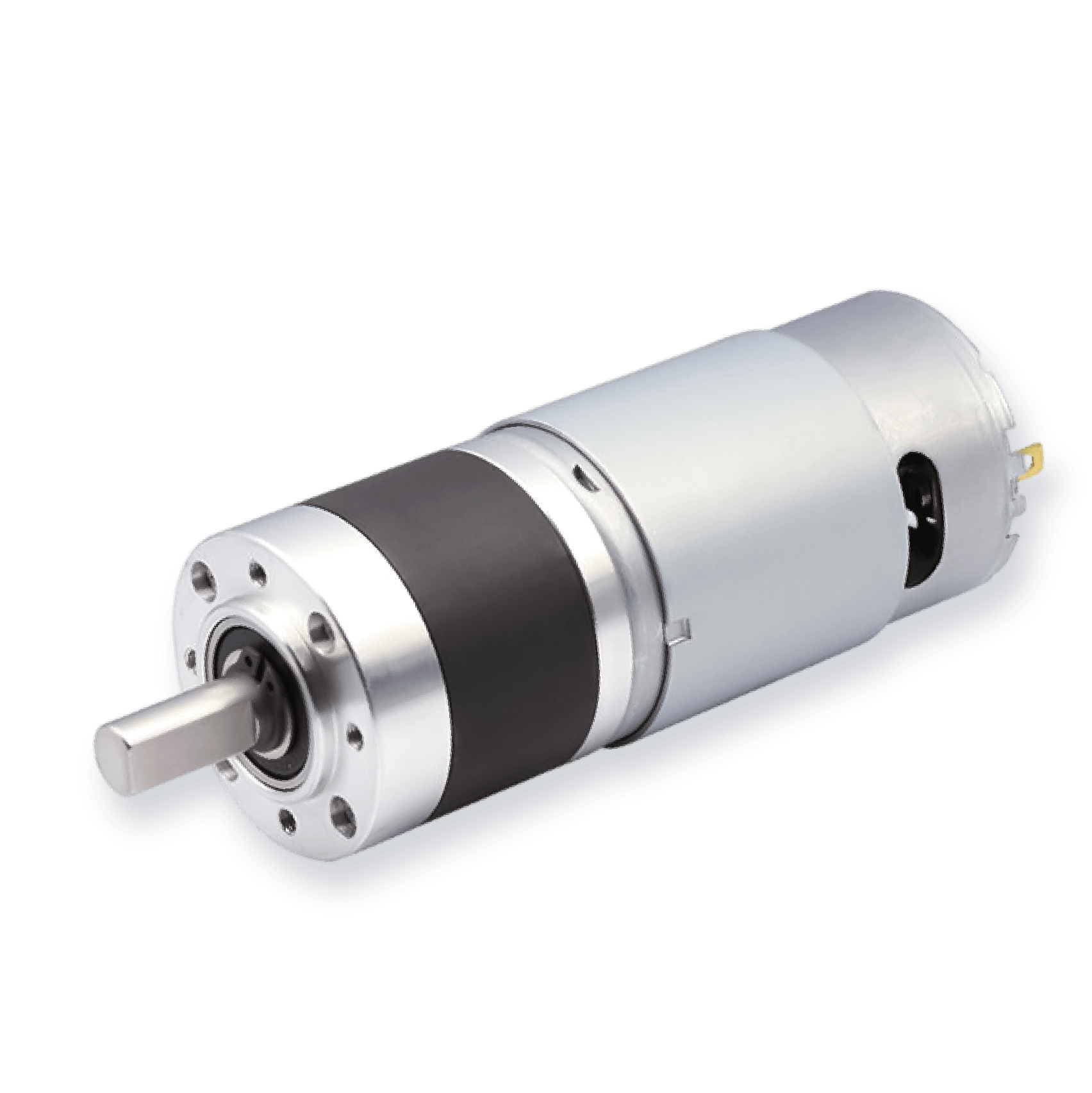
Sensorless Brushless DC Motors

A sensorless brushless motor drives commutation from the motor's own electrical signals instead of built-in Hall sensors — a control choice engineers specify to cut wiring, save space, or keep a sealed housing. SLW Motor builds sensorless BLDC units to custom torque, speed, and voltage targets for OEM programs moving from prototype through bulk production.

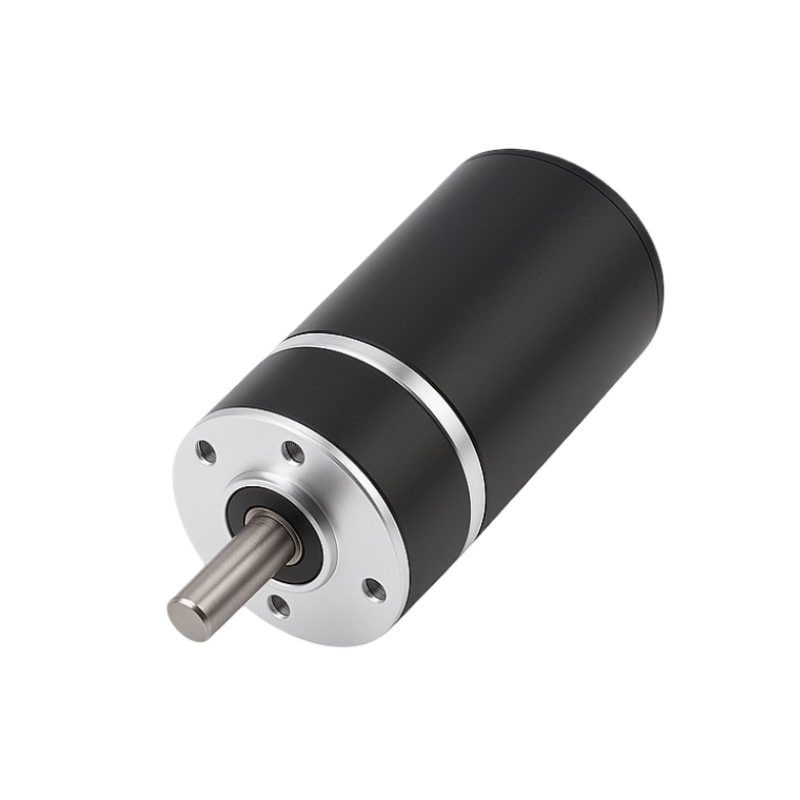
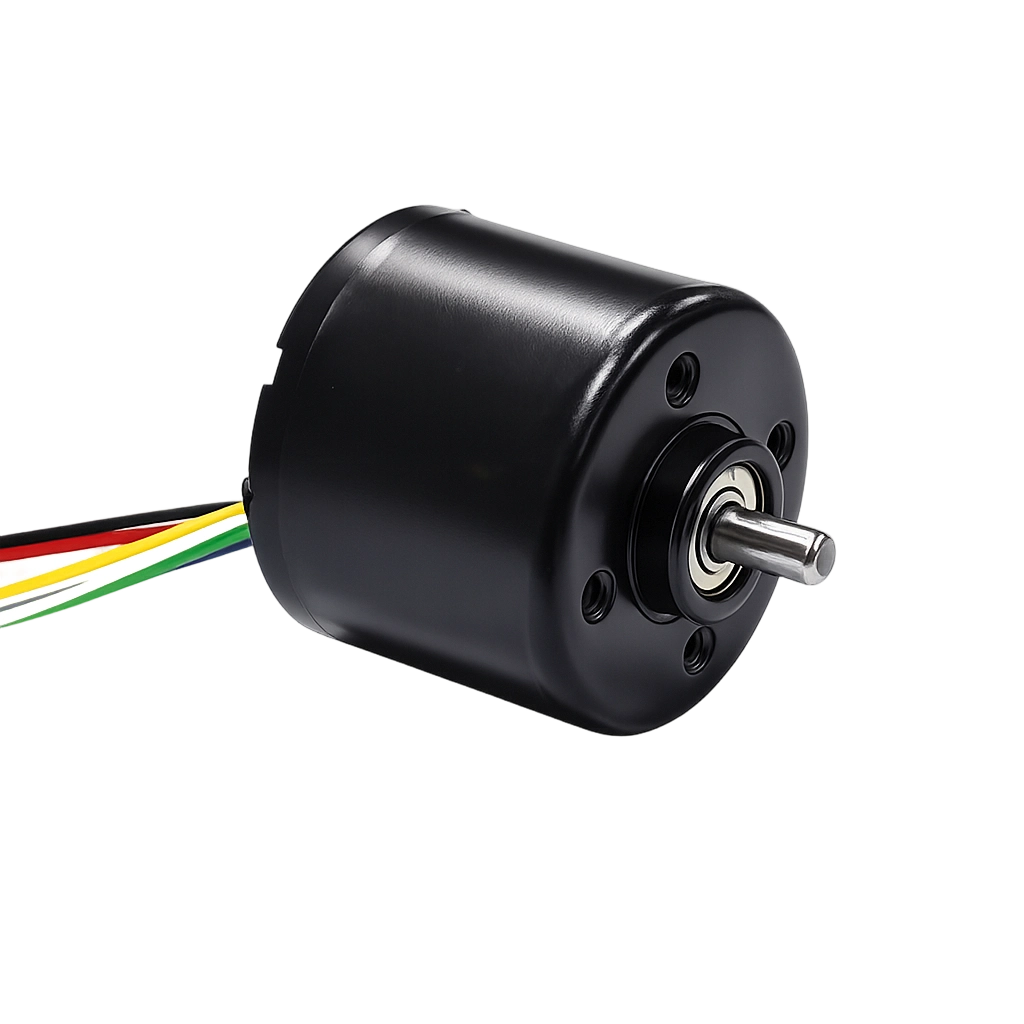
36mm 3650 brushless DC planetary gear motor for mid-to-high torque
A Closer Look

What Is a Sensorless Brushless Motor?

Definition

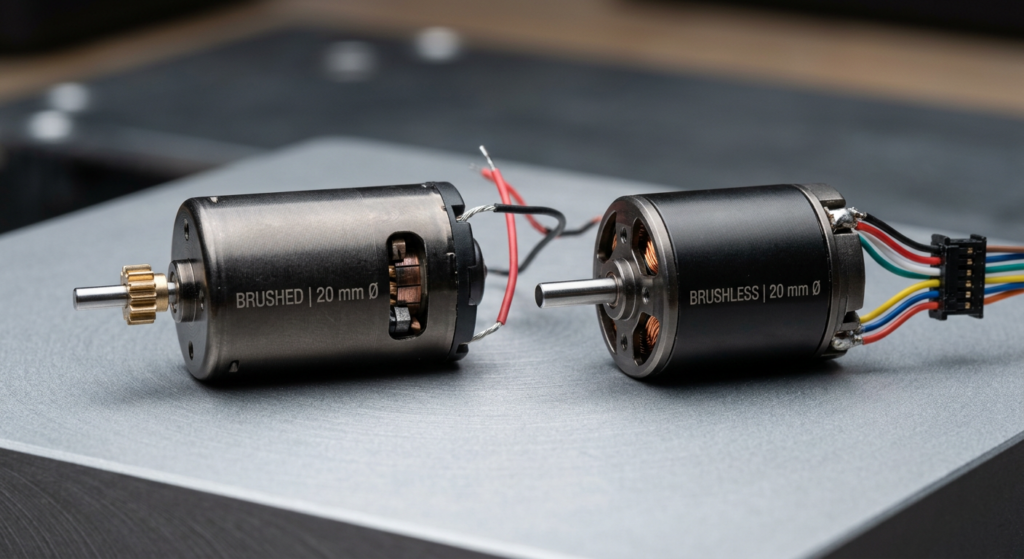
A sensorless brushless motor removes Hall-effect sensors entirely. The controller reads back-EMF — the voltage the spinning rotor induces in the unpowered winding — to infer rotor position and time each commutation step.

Key Benefits

  • Fewer parts: no sensor cable, no sensor PCB
  • Fewer connections: one less point to seal inside a housing
  • Direct feedback: choose a Hall sensor brushless motor
Trade-offs

Sensorless vs. Sensored

Both are BLDC motors; the difference is where rotor-position feedback comes from, and that decision carries real trade-offs.

  • Simpler Wiring

    Sensorless designs drop the sensor cable and PCB, cutting part count and connector points.

  • Lower Cost at Volume

    Fewer components lowers the per-unit parts cost in bulk runs.

  • Easier Sealing

    No external sensor wiring to protect makes sensorless motors easier to seal against dust and moisture.

  • Low-Speed Starting

    Sensored designs give the controller direct rotor-position data from a dead stop; sensorless (back-EMF) commutation can't read position until the rotor is already turning.

  • Space Savings

    Removing the sensor board frees a small amount of axial length inside a tight envelope.

If you need guaranteed smooth starts from zero RPM, weigh the sensored vs sensorless trade-off on the Hall sensor brushless motor page against these savings, and see brushless vs other motor types for the wider picture.

Configurations

Sensorless BLDC Configurations

Sensorless commutation is a control option we build into a BLDC motor around your spec — the sizes and voltages below are representative of the housings we work from before tuning torque, speed, and gearing to your load.

FrameVoltage Windings (applied range)No-Load SpeedTorque & Output at Max EfficiencyGearbox Option
16mm 1636 coreless BLDC12V / 24V (3–24V)12,000 rpm32.6 g·cm rated at 10,000 rpmPlanetary 14:1–1621:1
22mm BLDC12V / 18V / 24V (6–24V)3,100–8,600 rpm270–380 g·cm, 10–27.5W, up to 75.3% efficiencyPlanetary available
24mm BLDC9V / 12V / 24V (6–48V)5,400–8,700 rpm48.6–67.2 g·cm, up to 4.84WGearbox 4:1–500:1
28mm BLDC7.4V / 12V / 24V (6–48V)4,800–11,800 rpm90–156.8 g·cm, 3.6–16.5WPlanetary 4:1–625:1
36mm BLDC12V / 18V / 24V (6–48V)5,200–7,500 rpm175–209 g·cm, 7.4–12WPlanetary 3.7:1–721:1 or worm
42mm BLDC12V / 18V / 24V (6–48V)Per winding10–27WPlanetary 3.7:1–721:1
60mm BLDC12V / 18V / 24V (6–48V)Per winding10–27W, stall current 6.38–7.84ABare motor

IP sealing, connector, and lead configuration are tuned to your housing requirement, so send your load, speed, and driver details before assuming a standard rating applies.

Capabilities

Sensorless BLDC Capabilities at SLW Motor

Performance Tuning

Torque, speed, voltage, and power output are configured to your application rather than sold off a fixed spec sheet.

Every build is tuned to the performance your application actually needs, not a stock datasheet.

Materials

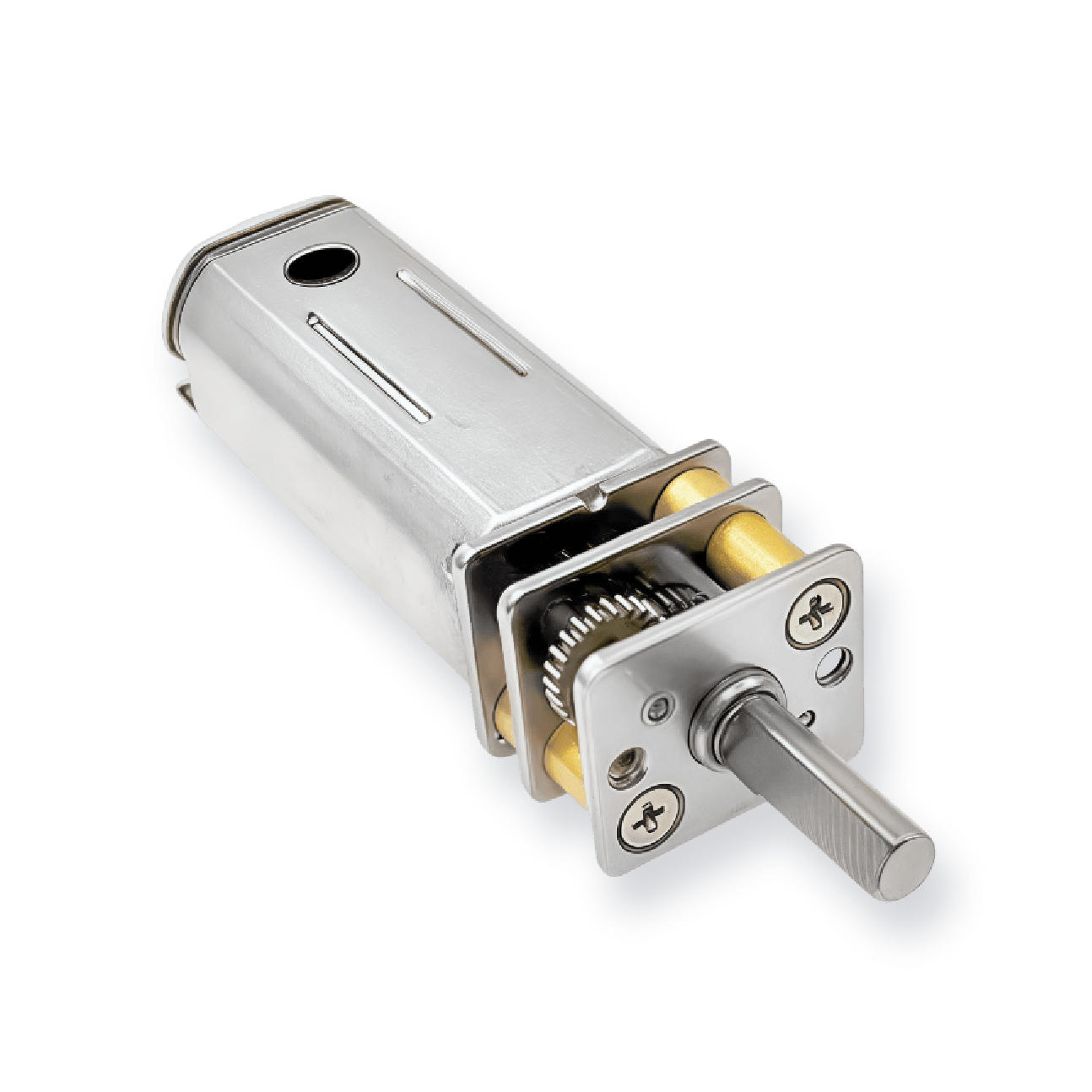
Housing and gear components can use brass, stainless steel, powder-metallurgy alloys, or engineering plastics.

The material is chosen by load, environment, and cost target.

Value-Added Assembly

PCB soldering and wire harness assembly are available on request.

The sensor board itself is omitted by design in a sensorless build.

Production Path

Flexible sample customization scales to stable bulk delivery, covering custom-engineered builds.

It also covers adaptations of the full BLDC motor range.

Compact Alternatives

Where axial length or rotor inertia is the binding constraint, our coreless motor options can help.

These can be built with the same sensorless control approach.

Applications

Where Sensorless BLDC Fits

Removing the sensor and its wiring matters most where every connector is a liability or every millimeter of housing counts: sealed medical device housings, automation modules, smart-device actuators, and compact robotics motor solutions.

Precision equipment builders weigh the same trade-off — sensorless when the motor runs mostly at speed, sensored when low-speed control matters more than part count.

  • Sealed Housings: No sensor wiring to route or seal
  • Automation Modules: Fewer connectors, fewer failure points
  • Smart-Device Actuators: Compact builds where space counts
  • High-Speed Duty: Sensorless suits speed-dominated cycles
  • Trade-Off: Sensored wins when low-speed control matters
Quality

Quality Assurance

SLW Motor operates from a 2,400 m² facility in Shenzhen with 56+ staff and 15+ years of motor and gearbox engineering experience, including work for Japanese manufacturing clients.

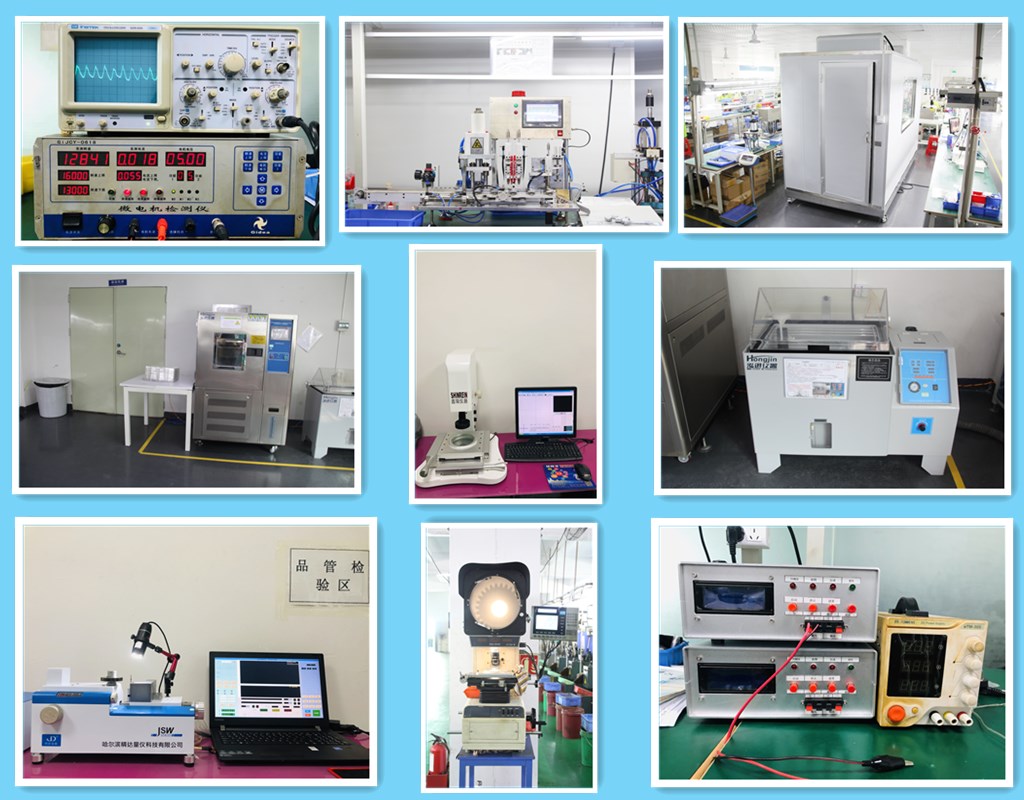
Every build passes through incoming inspection, in-process testing, and final verification to support consistent performance and dimensional accuracy, backed by ISO 9001:2015 certification and RoHS and Halogen-Free test documentation.

Quote

Request a Custom Sensorless Brushless Motor Quote

Send us your torque, speed, voltage, and housing requirements and we'll confirm whether a sensorless configuration fits before quoting. Flexible sample customization and prompt quotation feedback support everything from a first prototype to a stable bulk order.

To start your sensorless BLDC build, Contact SLW Motor with your application details.

FAQ

FAQ

A sensorless brushless motor commutates using back-EMF signals from the windings instead of Hall sensors.

What is a sensorless brushless motor?
It's a BLDC motor that commutates using back-EMF signals read from the motor windings instead of physical Hall-effect sensors, removing the sensor cable and sensor PCB.
Do all brushless motors have Hall sensors?
No. Hall sensors give precise low-speed and startup control, but many BLDC motors run sensorless, relying on back-EMF for commutation once the rotor is turning.
What are the downsides of a brushless motor?
Every BLDC motor needs an electronic controller to commutate the windings, adding cost and complexity. A sensorless BLDC can't read rotor position at a dead stop, so starts can stutter or "cog" until back-EMF registers.
Get Started

Accelerate Your Project with Precision Motors